Why Moving Digital Dollars Gets Harder When You Have Millions
Stablecoins face the same problems as foreign currency markets, making large transfers complex and costly.
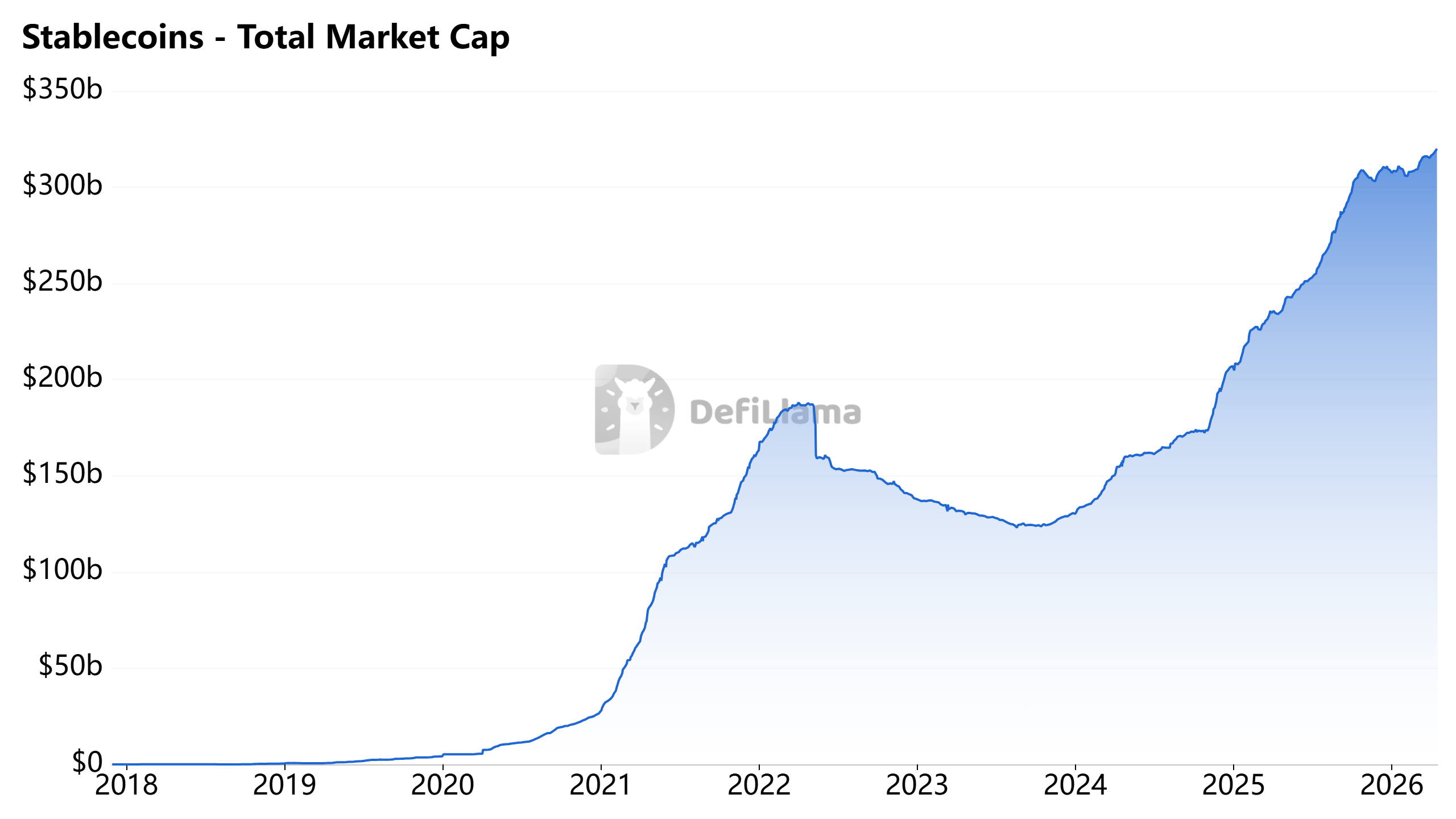 Image source: CoinTelegraph
Imagine trying to exchange dollars for euros at different banks and getting different prices at each one. That's what's happening with stablecoins (digital tokens designed to always equal $1) right now, and it's becoming a bigger problem as more big companies use them.
Stablecoins are supposed to make moving money simple. But according to Ryne Saxe, CEO of Eco, they're acting more like a messy foreign exchange market. The same digital dollar can have different prices depending on where you try to use it.
Here's why this matters: • Stablecoins now hold over $320 billion in value • Big companies are using them to move millions at once • The same stablecoin can cost different amounts on different platforms • Moving large amounts often requires multiple steps and fees
Think of it like this: If you have $100 in USDT (a popular stablecoin) on one blockchain (digital network), it might only be worth $99.50 when you move it to another blockchain. For regular users sending small amounts, this isn't a big deal. But when banks and large traders try to move $10 million, that small difference becomes $50,000 lost.
The problem gets worse because stablecoins are spread across different: • Blockchains (like different computer networks) • Exchanges (digital marketplaces) • DeFi platforms (automated trading systems)
As more institutions enter the crypto market, this fragmentation is creating real headaches. What looks simple on the surface – moving digital dollars from A to B – is actually a complex process that can fail, cost extra, or deliver less than expected.
The bottom line: Until this problem is solved, large-scale adoption of stablecoins will face significant hurdles.
This is an AI-generated summary. Read the original article at: https://cointelegraph.com/news/stablecoins-behave-fx-markets-liquidity-splits-eco-ceo?utm_source=rss_feed&utm_medium=rss&utm_campaign=rss_partner_inbound