White House Steps In to Settle Crypto Law Fight With Police Groups
The White House will meet law enforcement groups worried that a new crypto bill could shield criminals using digital money tools.
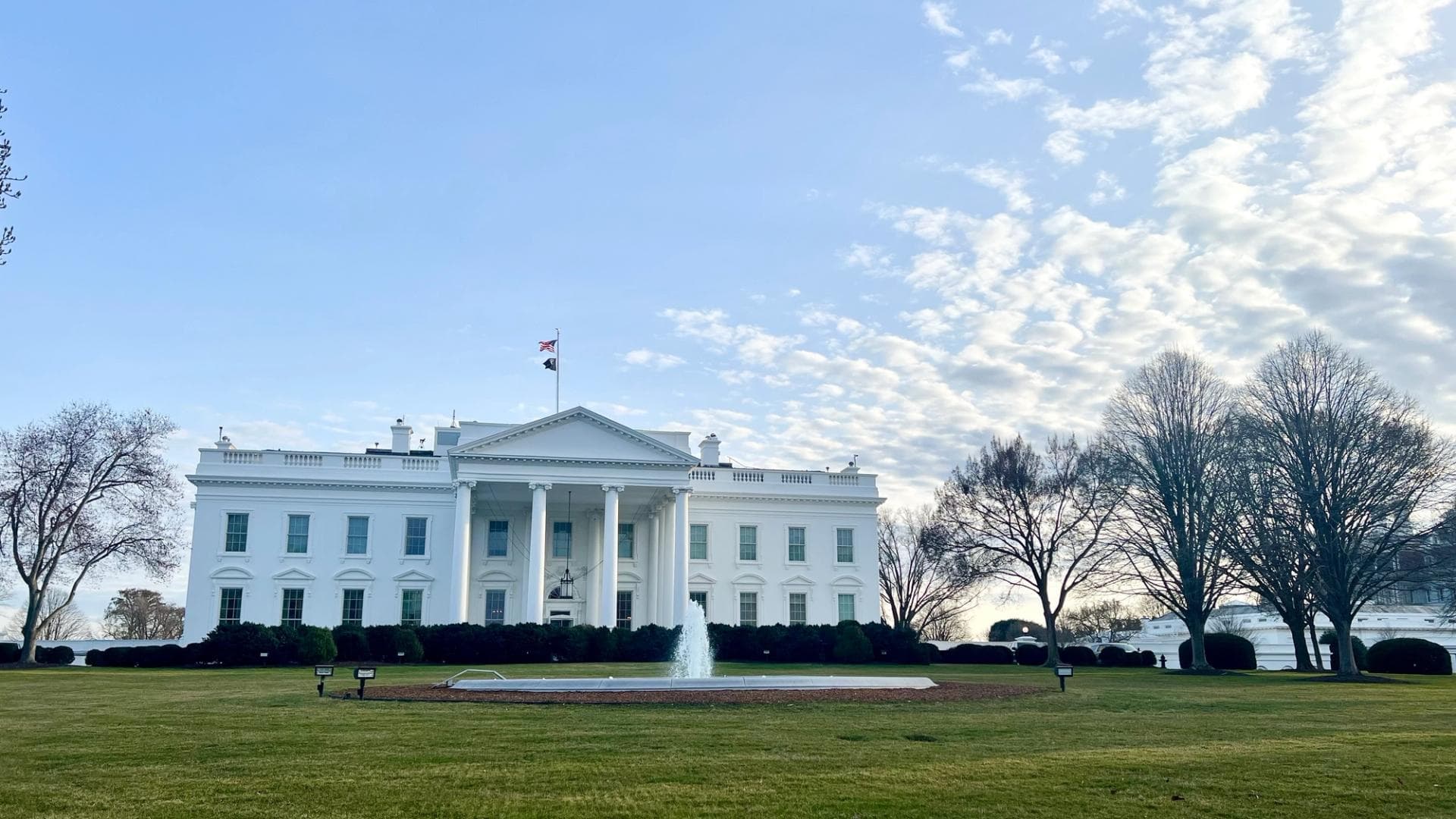 Image source: CoinDesk
The U.S. government is trying to pass a major new law for cryptocurrency (digital money like Bitcoin that exists only online). But before it can move forward, the White House needs to calm down some worried police groups.
What's happening?
The White House has invited law enforcement organizations to a meeting on Monday. The goal is to work out a disagreement over a bill (a proposed law) called the Digital Asset Market Clarity Act. This bill would set clear rules for how crypto is regulated in the United States.
Why are police groups upset?
The fight centers on one part of the bill (called Section 604). This section protects software developers — the people who build crypto programs — from being treated like a "money transmitter" (a business that moves money for others, like Western Union, which must follow strict anti-crime laws).
The idea is that programmers who don't actually control the tools they create shouldn't be punished as if they were running a money-moving business. The crypto industry says this protection is essential for building DeFi (decentralized finance — financial services that run automatically without banks).
The concern: Some police groups, like the National Sheriffs Association, worry this gives criminals a free pass. In a letter, they said:
- "Mixers" and "tumblers" (tools that hide where crypto money came from) shouldn't get a blanket exemption.
- Some developers genuinely do help move money and should follow anti-crime rules.
- They fear the bill could create a "blind spot" for crimes like human trafficking.
The crypto industry argues the opposite — that without this bill, crime fighters would actually have *fewer* tools, not more. They say the law brings clearer rules that help everyone.
The bottom line: The White House is acting as a middleman, trying to find language that protects honest developers while still letting police catch criminals who misuse crypto. Whether they succeed could decide if this important crypto law moves forward.
This is an AI-generated summary. Read the original article at: https://www.coindesk.com/policy/2026/06/29/white-house-to-speak-with-law-enforcement-groups-to-push-crypto-s-clarity-act