Warning Signs: Bond Market Fears 'Stagflation' Could Hurt Your Money
Treasury bonds show worrying signs as wholesale prices jump, signaling possible stagflation ahead.
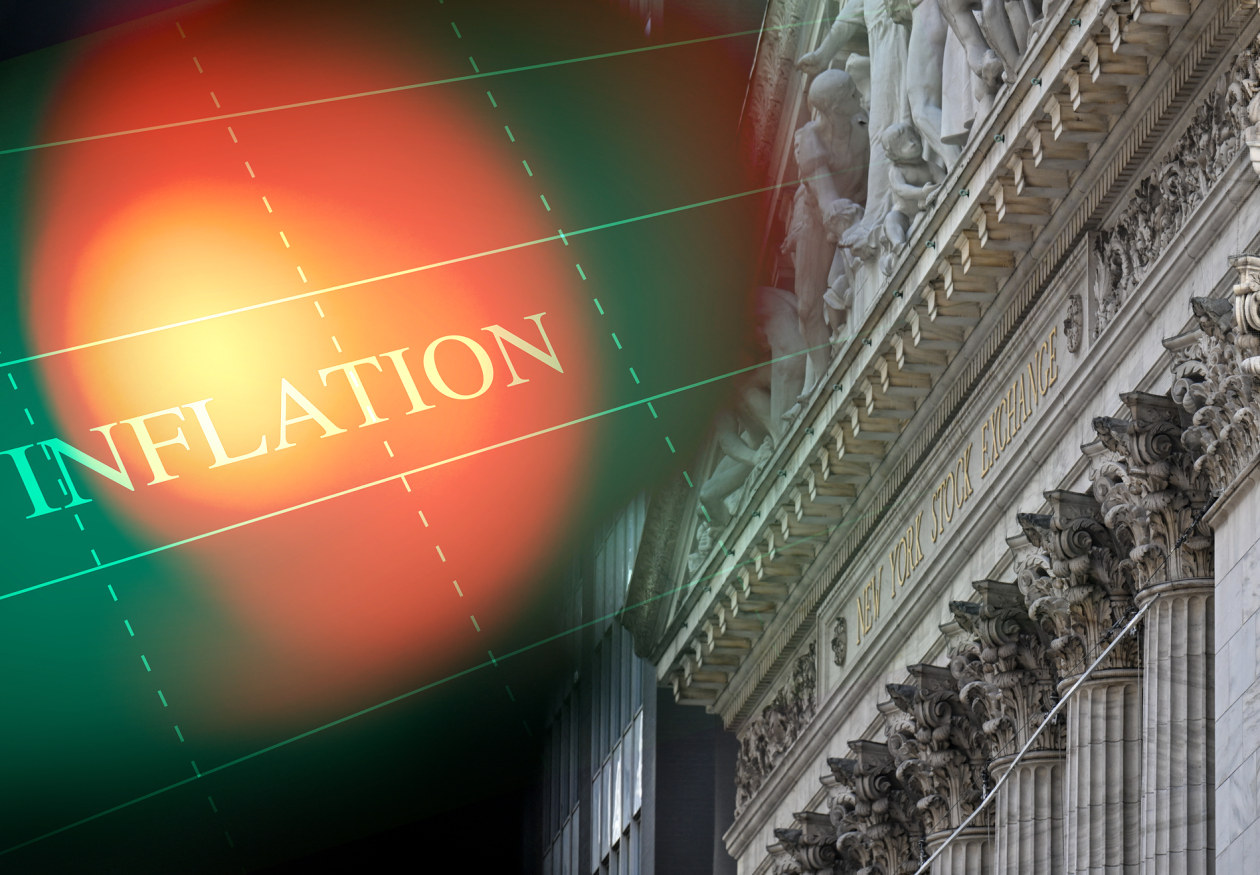 Image source: MarketWatch
The U.S. bond market is flashing red warning lights about something called stagflation - and it could be bad news for everyone's wallets.
What is stagflation? It's when two terrible things happen at once: prices keep going up (inflation) while the economy slows down or shrinks. Think of it like your grocery bills getting more expensive while businesses lay off workers - the worst of both worlds.
Here's what happened: • Wholesale prices jumped 0.7% in February - the biggest increase in seven months • This was the third month in a row that prices climbed • The bond market (where governments and companies borrow money) is showing signs of worry
Why should you care? Stagflation is particularly nasty because: • Your money buys less as prices rise • Companies make less profit, so stocks can fall • Finding a job becomes harder as the economy weakens • The Federal Reserve (America's central bank) has fewer tools to fix the problem
The $30 trillion Treasury market (U.S. government bonds) is considered one of the most important financial markets in the world. When it shows warning signs, investors everywhere pay attention. Right now, the pattern of trading in these bonds suggests traders are worried about this toxic mix of high prices and slow growth.
The bottom line: While this doesn't mean stagflation will definitely happen, the warning signs are worth watching. If it does occur, it could affect everything from your grocery bills to your retirement savings.
This is an AI-generated summary. Read the original article at: https://www.marketwatch.com/story/treasury-market-flashes-sign-of-growing-stagflation-risks-52bc33e0?mod=mw_rss_topstories