Taking Extra Money from 401(k) May Increase Medicare Costs
Withdrawing more from retirement savings can trigger higher Medicare premiums two years later.
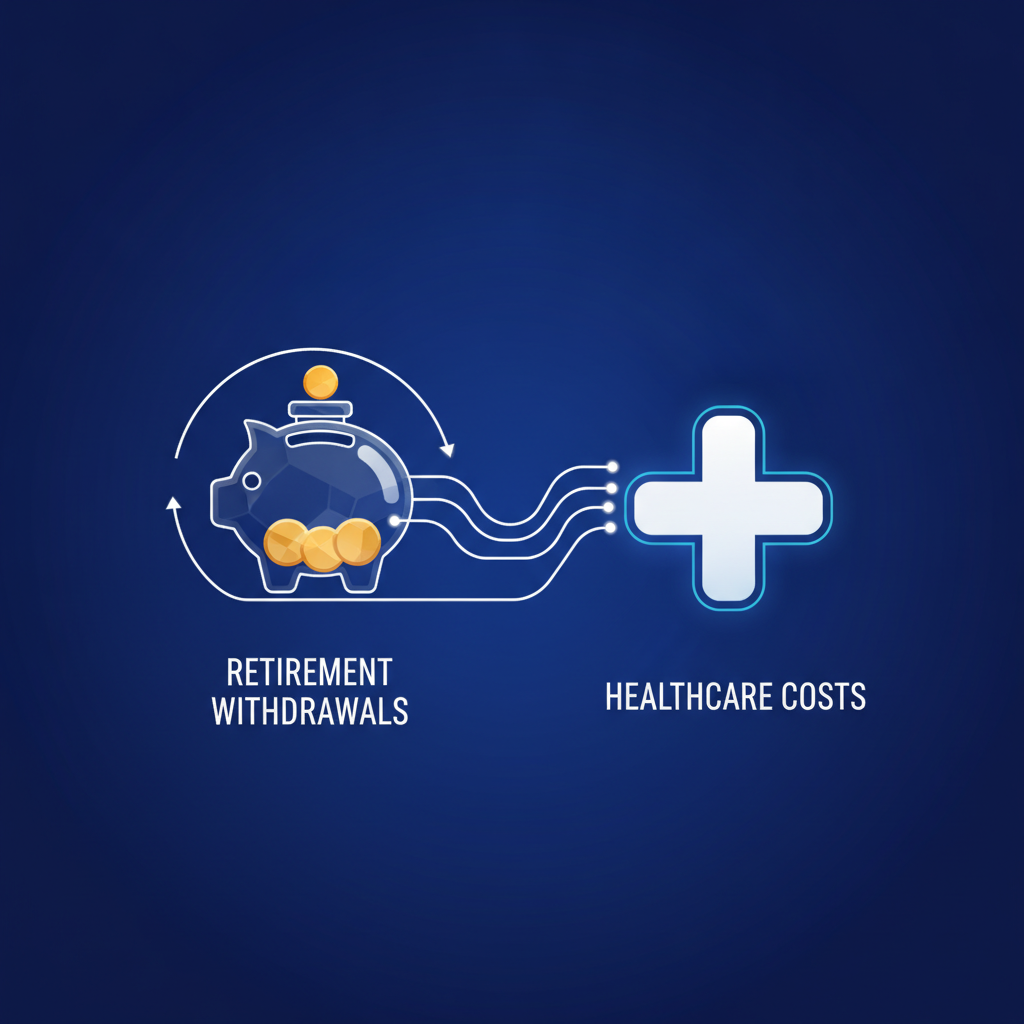
If you're retired and need extra money from your 401(k) (retirement savings account), be prepared for a surprise: your Medicare health insurance costs might go up.
Here's what happens when you take a larger withdrawal:
The Two-Year Delay Medicare looks at your income from two years ago to decide your current premiums (monthly payments). So if you take extra money from your 401(k) this year, it won't affect your Medicare costs until two years later.
How Much More You'll Pay The extra charge is called IRMAA (Income-Related Monthly Adjustment Amount). For 2026: • Single people earning over $109,000 pay more • Married couples earning over $218,000 pay more • The highest earners could pay up to $13,872 extra per year for a couple
Can You Avoid the Extra Cost? Unfortunately, you can only reduce these charges if you have a "life-changing event" like: • Retirement • Death of a spouse • Divorce • Major work reduction
Simply taking money out for home projects or bills doesn't qualify.
The Good News This increase is temporary. Once that high-income year passes through the two-year window, your Medicare premiums should return to normal. Medicare recalculates your premiums every year based on your income.
Smart Planning Tips Many retirees try to keep their 401(k) withdrawals below the Medicare income limits. Some take money out earlier (before age 73) to reduce their account balance and future required withdrawals.
The key is planning ahead and understanding that today's financial decisions can affect your healthcare costs two years from now.
This is an AI-generated summary. Read the original article at: https://www.marketwatch.com/story/this-would-be-a-one-time-event-how-can-i-take-extra-money-from-my-401-k-without-triggering-higher-medicare-premiums-fef1586d?mod=mw_rss_topstories