Rivian Stock Crashes 13% After Company Sells New Shares
Electric-car maker Rivian's stock plunged over 13% after it announced a $1.5 billion share sale, raising fresh worries about its cash.
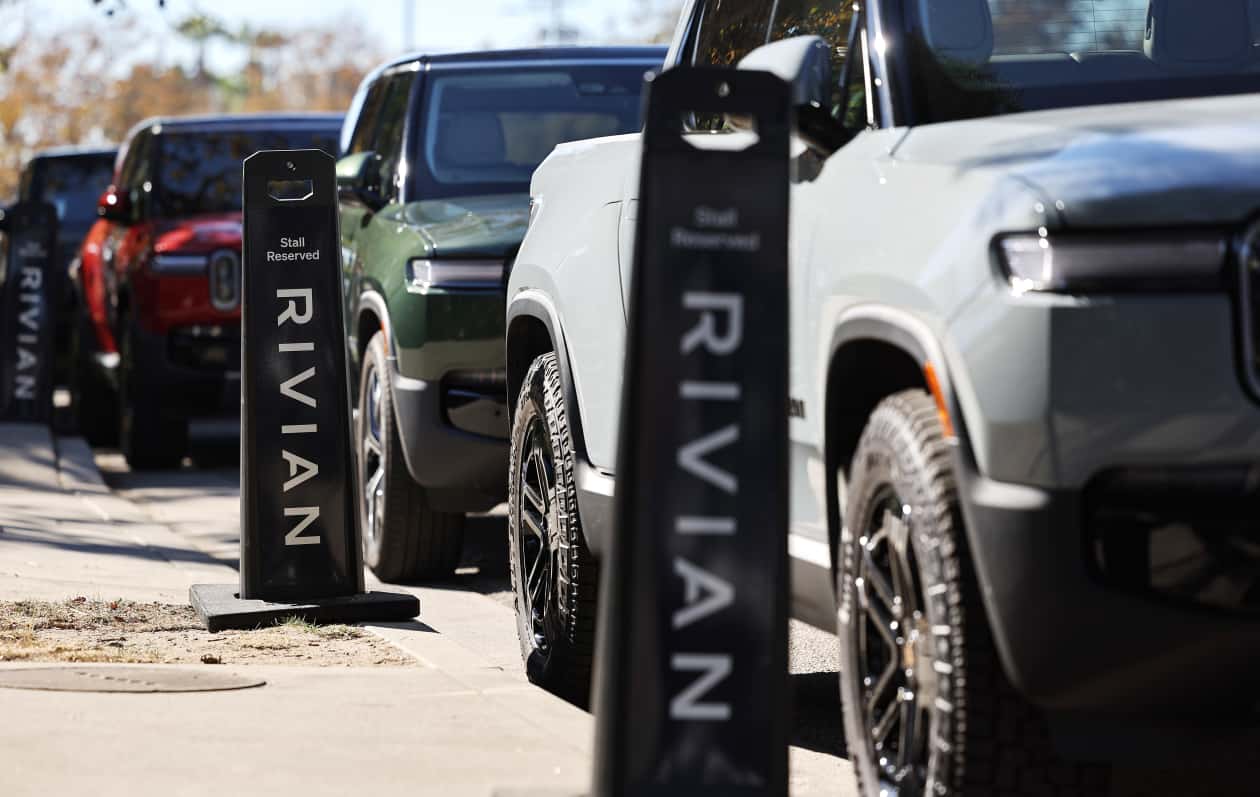 Image source: MarketWatch
Rivian, the American maker of electric trucks and SUVs, saw its stock crash more than 13% on Tuesday — its worst single-day drop in nearly two years. The fall wiped out all of the stock's gains for 2026.
So what happened? Rivian announced it would sell a large batch of new shares (small pieces of ownership in the company). This is called a *share offering*, and companies do it to raise cash. But there's a catch: when a company creates and sells more shares, each existing share becomes worth a little less — because the ownership pie is now split into more slices. This is known as *dilution*, and investors usually don't like it.
Here are the key numbers:
- Rivian plans to sell 75 million new shares, plus an option for an extra 11.25 million shares.
- At Monday's closing price of $20.14 per share, the sale would raise about $1.5 billion.
- The stock dropped 13%+, its biggest fall since November 2024, when it fell 14%.
- For 2026 so far, the stock is now down 11% — after being up 2% just the day before.
Why does this matter for beginners? Electric-vehicle companies like Rivian are still young and often *unprofitable* (they lose money). To survive and expand, they frequently need to raise fresh cash. Each time they do, existing shareholders can get nervous, which pushes the stock price down.
In short: Rivian needed money, chose to sell new shares to get it, and investors reacted by dumping the stock — sending it to one of its steepest single-day drops in almost two years.
This is an AI-generated summary. Read the original article at: https://www.marketwatch.com/story/rivians-stock-sale-triggers-worst-rout-for-the-shares-in-nearly-two-years-6791789e?mod=mw_rss_topstories