Oil Prices Jump Above $100 as Iran Attacks Ships in Key Shipping Route
Iran fired on oil tankers in the Strait of Hormuz, pushing global oil prices above $100 per barrel for the first time in months.
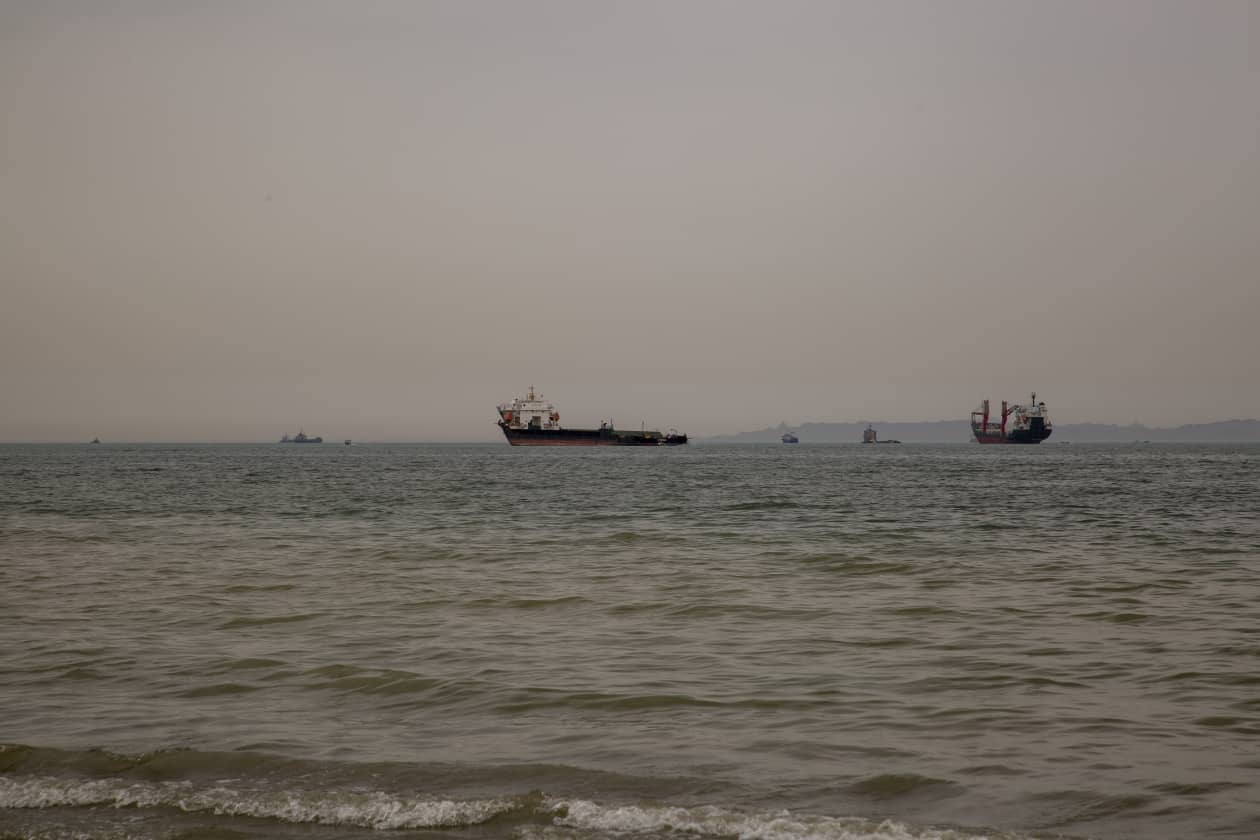 Image source: MarketWatch
Oil prices around the world have surged past $100 per barrel after Iran attacked ships carrying oil through one of the world's most important shipping routes.
## What Happened?
On Wednesday, Iran's military forces fired on three oil tankers (large ships that carry oil) in the Strait of Hormuz and forced two of them to follow Iranian boats to the coast. The Strait of Hormuz is a narrow waterway between Iran and the Arabian Peninsula where 20% of the world's oil passes through.
This aggressive move by Iran immediately sent shockwaves through global oil markets:
• Brent crude oil (the global oil benchmark) jumped above $100 per barrel • U.S. oil prices rose nearly 3% in early trading • Gas prices at the pump are expected to rise above $4 per gallon
## Why Does This Matter?
When oil prices rise, it affects everyone:
- Higher gas prices mean more expensive commutes and road trips
- Increased shipping costs make everyday products more expensive
- Airlines raise ticket prices to cover fuel costs
- Inflation (general price increases) accelerates across the economy
The incident appears to be Iran's response to recent political tensions with the United States. By threatening oil shipments through the Strait of Hormuz, Iran is demonstrating its ability to disrupt global energy supplies and push prices higher.
Markets are now watching closely to see if this was an isolated incident or the beginning of a larger conflict that could push oil prices even higher. For consumers, this means preparing for higher prices at the gas pump and potentially throughout the economy.
This is an AI-generated summary. Read the original article at: https://www.marketwatch.com/story/global-oil-climbs-back-to-100-a-barrel-after-iran-flexes-its-power-over-oil-tankers-in-hormuz-9de1dd30?mod=mw_rss_topstories