Iran War Pushes US Gas Prices Above $4 as Economy Shows Strain
Gas prices hit $4.10 per gallon while Americans spend 16.5% more at pumps. Economists worry about growth.
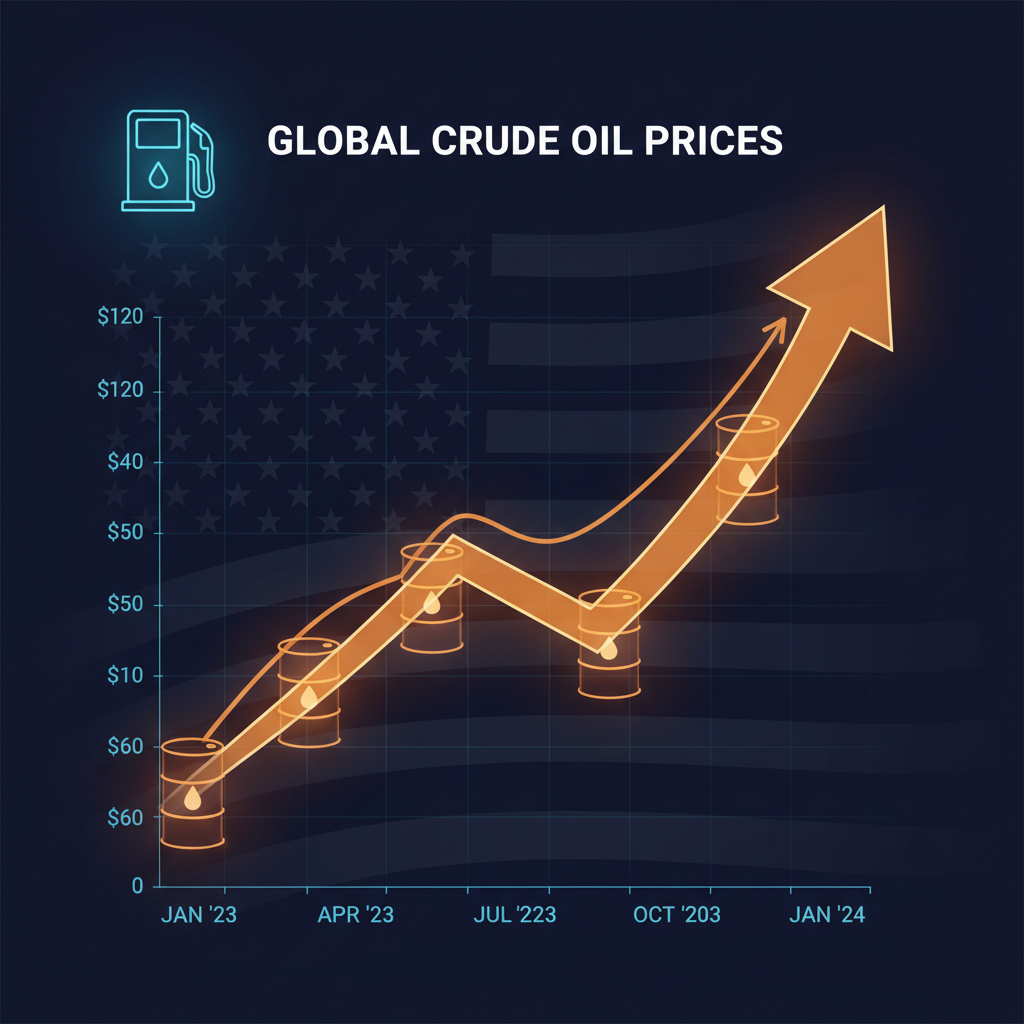
The ongoing Iran war is hitting American wallets hard, with gas prices soaring above $4 per gallon for the first time in years.
The conflict, which started six weeks ago, is affecting the US economy in several ways:
• Energy costs are surging - The average gas price reached $4.10 per gallon (the price you pay at the pump), forcing Americans to spend 16.5% more on gasoline in March • Economic growth is slowing - GDP (the total value of everything the country produces) might drop by a few percentage points • Consumer sentiment hit record lows - Americans feel worse about the economy than at any time since the 1950s • Home sales dropped - Higher mortgage rates (the interest you pay on home loans) pushed home sales to their lowest level in nine months
Despite these challenges, Americans are still spending money. Credit and debit card purchases jumped 4.3% in March, the biggest increase in three years. This spending boost was helped by larger tax refunds - the average American got back $3,521 this year, about 11% more than last year.
The big question now is whether the current ceasefire (temporary stop in fighting) will hold. If fighting resumes, economists worry that:
• Oil prices could spike even higher • Inflation (rising prices for everything) could get worse • The Federal Reserve (America's central bank) might keep interest rates high longer
The bottom line: While the war is definitely hurting Americans at the gas pump, the economy is still holding up for now. But if the conflict drags on, things could get much worse.
This is an AI-generated summary. Read the original article at: https://www.cnbc.com/2026/04/15/here-are-all-the-ways-the-iran-war-has-affected-the-us-economy-so-far.html