Gas Prices Soar as Iran Conflict Continues - White House Seeks Solutions
U.S. government struggles to lower fuel costs as Middle East tensions push oil prices higher, affecting drivers nationwide.
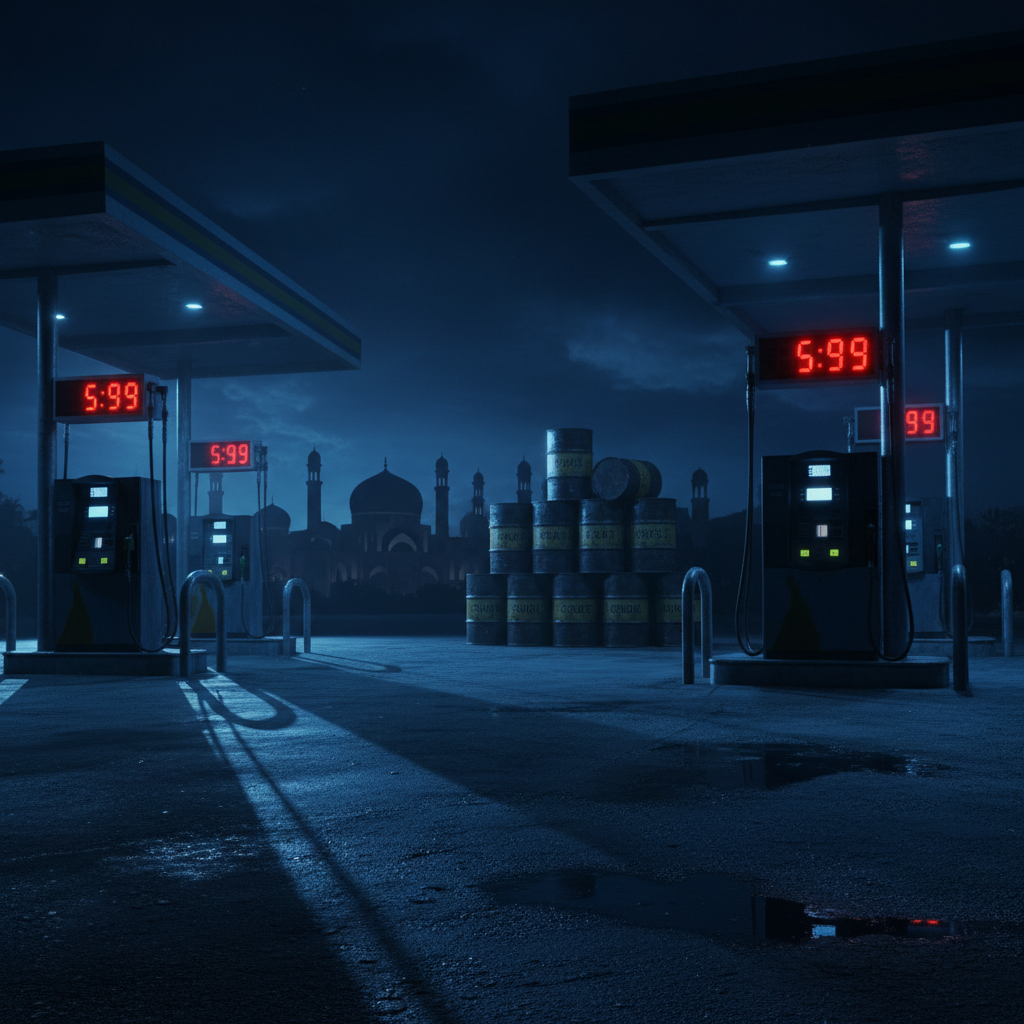
American drivers are feeling the pinch at gas stations as the ongoing conflict with Iran pushes fuel prices to uncomfortable levels. The White House is scrambling to find ways to bring relief to consumers, but options are limited.
Why are gas prices rising? When conflicts happen in oil-rich regions like the Middle East, it creates uncertainty about oil supply (how much oil is available). This uncertainty causes oil prices to jump, and since gasoline is made from oil, gas prices follow suit.
The U.S. government has several tools it typically uses to combat high gas prices: • Strategic Petroleum Reserve releases (emergency oil stockpiles the government can sell) • Diplomatic pressure on oil-producing nations to pump more • Temporary tax relief on gasoline
However, sources indicate these options may have limited impact this time. The Strategic Reserve has already been tapped multiple times in recent years, leaving less room for action. Meanwhile, major oil producers are reluctant to increase production while tensions remain high.
What this means for you: Expect to pay more at the pump in coming weeks. The average American family could see their monthly fuel costs increase by $50-100 if prices continue climbing. This extra expense may force households to cut spending elsewhere, potentially slowing the broader economy.
The situation highlights how international conflicts can directly impact your wallet, even from thousands of miles away. While the White House continues exploring options, drivers should prepare for elevated prices until the Middle East situation stabilizes.
This is an AI-generated summary. Read the original article at: https://www.investing.com/news/stock-market-news/white-house-has-few-tools-for-gasprice-relief-as-iran-war-drags-on-4687589