Florida's New Crypto Law Creates Same Privacy Issues It Banned Before
Florida lawmakers propose stablecoin rules that could track users, contradicting the state's earlier ban on digital dollar surveillance.
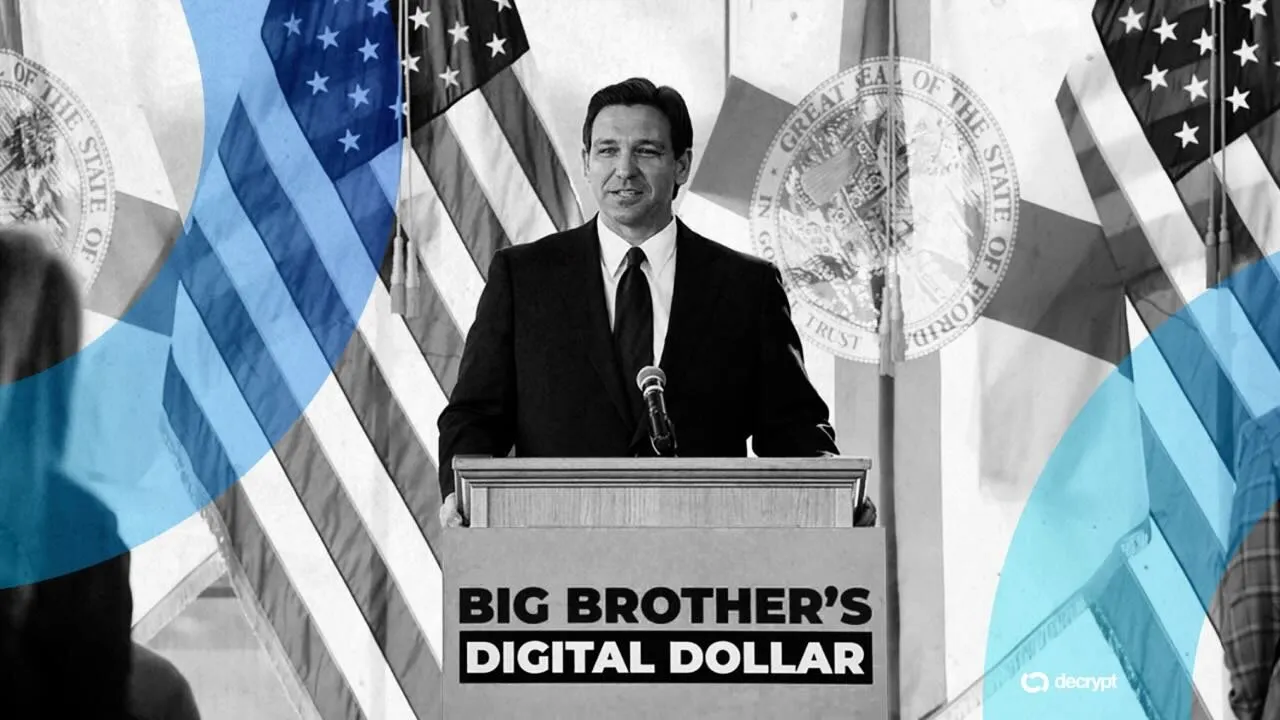 Image source: Decrypt
Florida is considering new rules for stablecoins that could let the government track your digital money - the same thing they said they didn't want with a digital dollar.
Here's what's happening: Florida Governor Ron DeSantis previously banned CBDCs (Central Bank Digital Currencies - government-created digital money) because he said they could be used for "Big Brother" surveillance. He worried the government could watch every purchase you make.
Now, Florida lawmakers are proposing new rules for stablecoins (cryptocurrencies that stay at $1 value). These new rules would require: • Companies to collect personal information from users • Tracking of all transactions • Reporting suspicious activity to authorities
The problem? These are the exact same surveillance tools that DeSantis said were dangerous when talking about CBDCs. Critics say this is hypocritical - banning government tracking while allowing private company tracking.
Stablecoins are popular because they combine crypto benefits with stable prices. Major ones include: • USDC - backed by Circle • USDT (Tether) - the largest stablecoin • PYUSD - PayPal's stablecoin
The bill's supporters say these rules protect consumers from fraud. Opponents argue it defeats the purpose of cryptocurrency - which was created to give people financial privacy and freedom from government control.
The key question: If tracking digital money is bad when governments do it, why is it okay when private companies do it under government rules?
This is an AI-generated summary. Read the original article at: https://decrypt.co/361074/florida-stablecoin-bill-mirrors-big-brother-tools-ron-desantis-cdbc-ban