Fed May Raise Interest Rates Again as Oil Prices Surge
Rising oil prices from Iran conflict have traders betting on possible Fed rate hike instead of expected cuts.
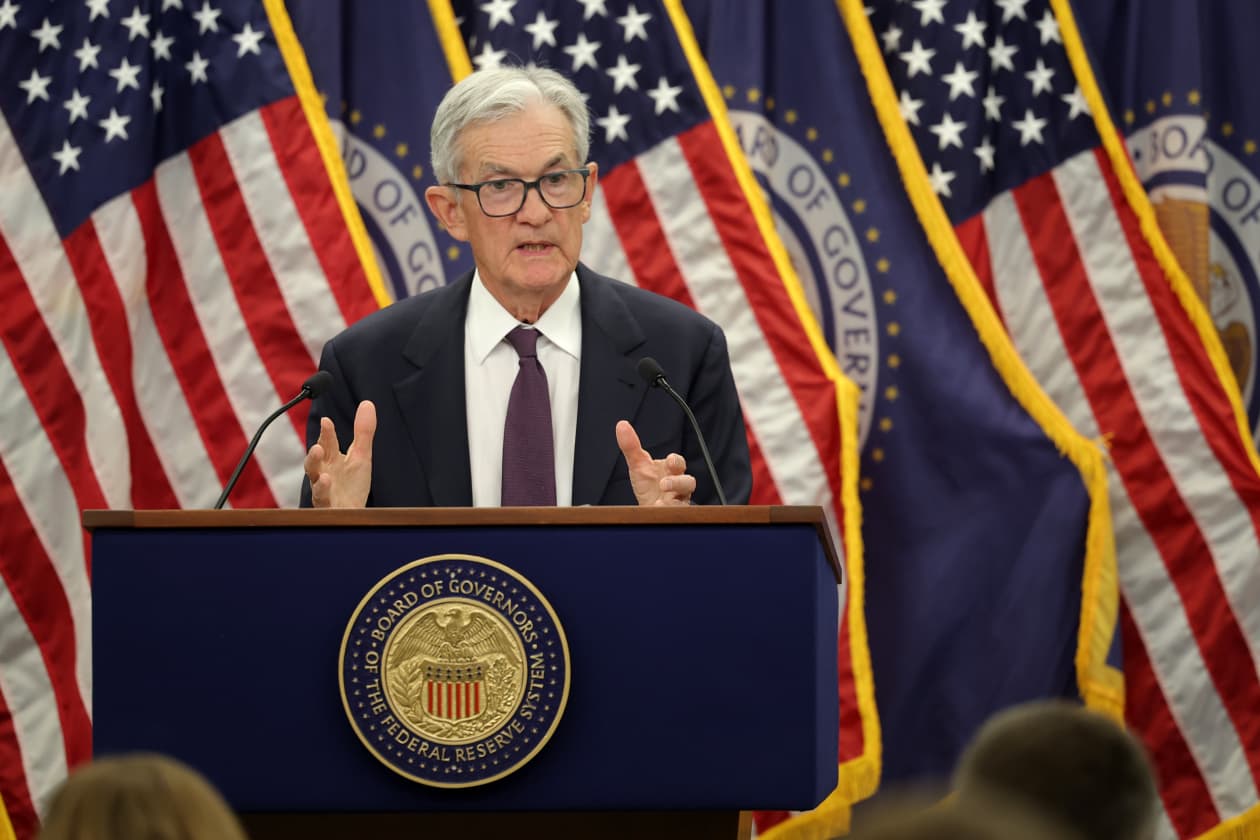 Image source: MarketWatch
Just weeks ago, everyone expected the Federal Reserve to keep cutting interest rates. Now, rising oil prices could force them to raise rates instead.
The Federal Reserve (the Fed) is America's central bank that controls interest rates. When they raise rates, it becomes more expensive to borrow money for homes, cars, and credit cards. When they lower rates, borrowing gets cheaper.
Why This Matters Now: • Oil prices have jumped due to conflict with Iran • Higher oil prices mean higher costs for gas, food, and shipping • This could restart inflation (when prices rise too fast) • Traders now see a 25% chance of a rate hike this year
The Fed has been lowering rates since mid-2024 after inflation cooled down. They were planning more cuts to help the weakening job market. But soaring fuel costs could change everything.
In 2022-2023, the Fed raised rates aggressively to fight 7% inflation after the pandemic. Now they face a tough choice: keep rates high to prevent new inflation, or continue cuts to support jobs.
The Fed meets March 17-18 to decide on rates. Fed Chair Jerome Powell will announce their decision at 2 PM Eastern on March 18. Some economists, like Carl Weinberg from High Frequency Economics, already think they should raise rates immediately.
For everyday Americans, a rate hike would mean higher costs for mortgages, auto loans, and credit card debt - adding to the pain of rising gas prices.
This is an AI-generated summary. Read the original article at: https://www.marketwatch.com/story/it-was-unthinkable-a-couple-of-weeks-ago-but-could-the-next-move-by-the-fed-be-a-rate-hike-dc5e1edb?mod=mw_rss_topstories