EU Cracks Down on Crypto: New Rules Now Enforced Across Europe
The EU's MiCA crypto rules are now fully in force. Unlicensed crypto firms face huge fines or must shut down operations.
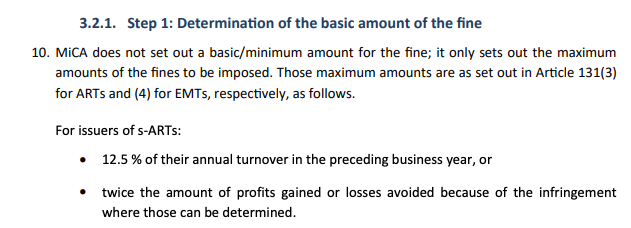 Image source: CoinTelegraph
The European Union has entered a major new phase for its cryptocurrency (digital money like Bitcoin) industry. A big set of rules called MiCA (Markets in Crypto-Assets) is now fully in force, and companies that don't follow it face serious consequences.
What changed? MiCA had a "transition period" — a grace period giving crypto companies time to get properly licensed. That period has now ended. This means:
- Crypto companies without official authorization can no longer legally serve EU customers.
- Unauthorized firms must shut down operations or risk heavy fines.
- Compliance (following the rules) costs roughly €350,000 to €600,000 ($400,000–$690,000) for many firms.
- Larger companies may spend up to €2 million ($2.3 million).
- Penalties for breaking the rules start at €5 million or 5% of yearly turnover (total money a company earns in a year).
- For some stablecoin breaches, fines could reach 12.5% of annual turnover. (A stablecoin is a type of crypto tied to a stable currency like the dollar.)
- ESMA keeps the official list of approved crypto companies.
- The EBA oversees major stablecoin issuers.
Regulators in the Czech Republic, Bulgaria, Luxembourg, and Italy have already warned unauthorized firms to wind down. The Czech central bank can impose fines up to about $5.6 million.
Bottom line: Europe now has one of the world's clearest crypto rulebooks. But making sure every country enforces it fairly and consistently will be the real test in the months ahead.
This is an AI-generated summary. Read the original article at: https://cointelegraph.com/news/eu-crypto-rulebook-enforcement-challenge-mica-transition-end?utm_source=rss_feed&utm_medium=rss&utm_campaign=rss_partner_inbound