Can AI Companies Really Audit Themselves? Experts Raise Doubts
Six top AI firms promised the White House they'd allow outside checks. But a researcher warns the audits may be too weak to matter.
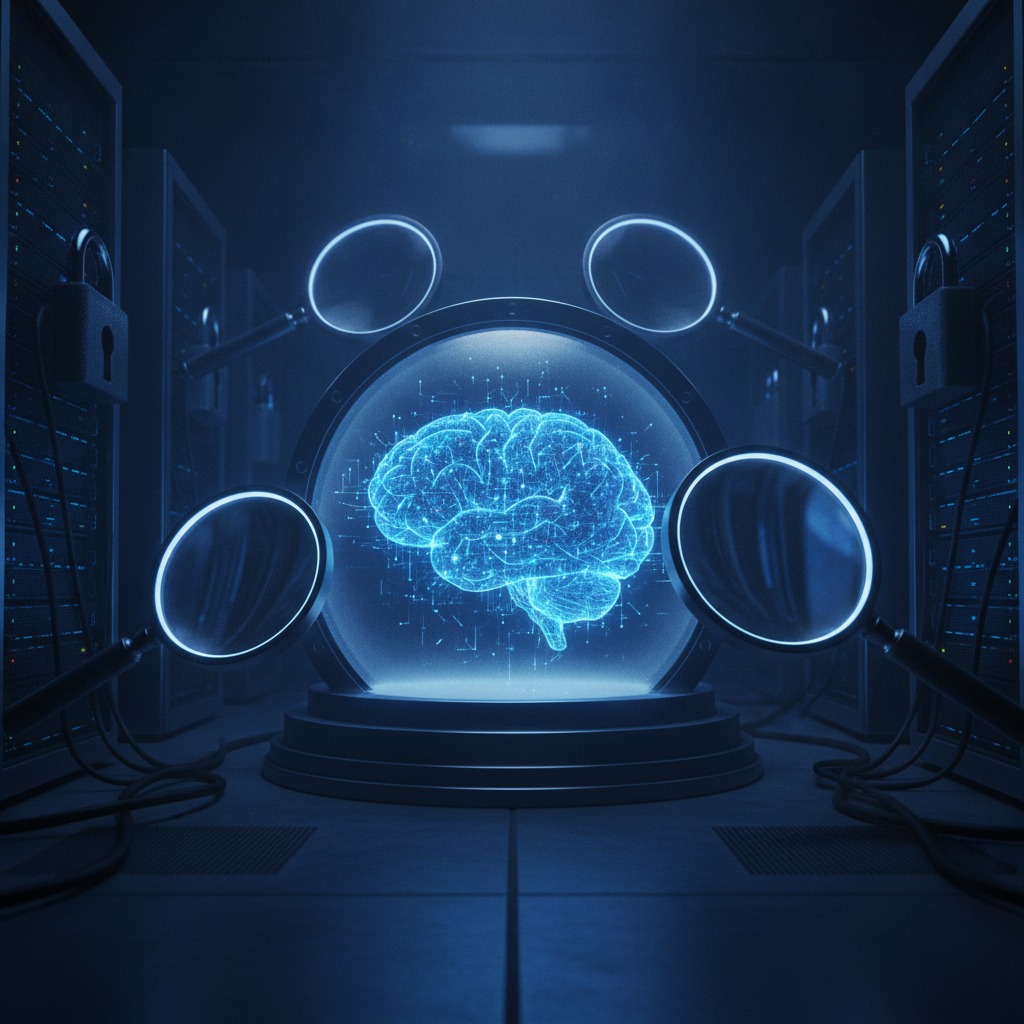
Six of the world's biggest AI companies just made a big promise to the U.S. government: they'll let outsiders check their work. But a financial-style investigation reveals a major loophole.
On Sept. 29, Nvidia, OpenAI, Anthropic, Google, Meta and xAI signed an "accord" (a formal agreement) that President Trump called "morally binding." Each company pledged to work with an independent external auditor (an outside expert who inspects the company's practices) to catch problems.
So what's the catch? According to Samuel Vance-Law of the Decentralization Research Center, the deal lets each company:
- Pick its own auditor
- Decide what the auditor is allowed to examine
- Keep findings private, with no penalty for ignoring the rules
The article compares this to the famous Enron scandal of 2000. Enron paid its auditor, Arthur Andersen, $52 million in one year — and the auditor failed to flag the fraud. Both companies collapsed. Congress responded with the Sarbanes-Oxley Act, a law that took the power to choose auditors away from company management and created an outside watchdog to inspect the auditors themselves.
History also shows voluntary AI promises don't hold up. When researchers from Stanford, Harvard and Brown scored 16 AI companies on earlier voluntary pledges, the average score was just 53%. On the promise to help outsiders find problems, 8 of 16 scored zero.
There's good news, though. A new method from Google DeepMind allows a "double-blind test" — like a medical drug trial — where testers never see the AI model and the company never sees the test questions. This means outsiders can now inspect AI safely, removing the old excuse that models are too valuable or risky to share.
The bottom line: The author argues that for these audits to mean anything, auditors should choose what they test, companies should publicly name their auditors, and Congress should create an independent watchdog — just like it did after Enron.
This is an AI-generated summary. Read the original article at: https://www.coindesk.com/opinion/2026/10/16/big-tech-s-ai-auditors-will-only-see-what-they-re-shown