Bitcoin Mining Power Drops for First Time in 6 Years as Miners Switch to AI
Bitcoin's network security power fell 4% as miners abandon crypto for more profitable AI computing.
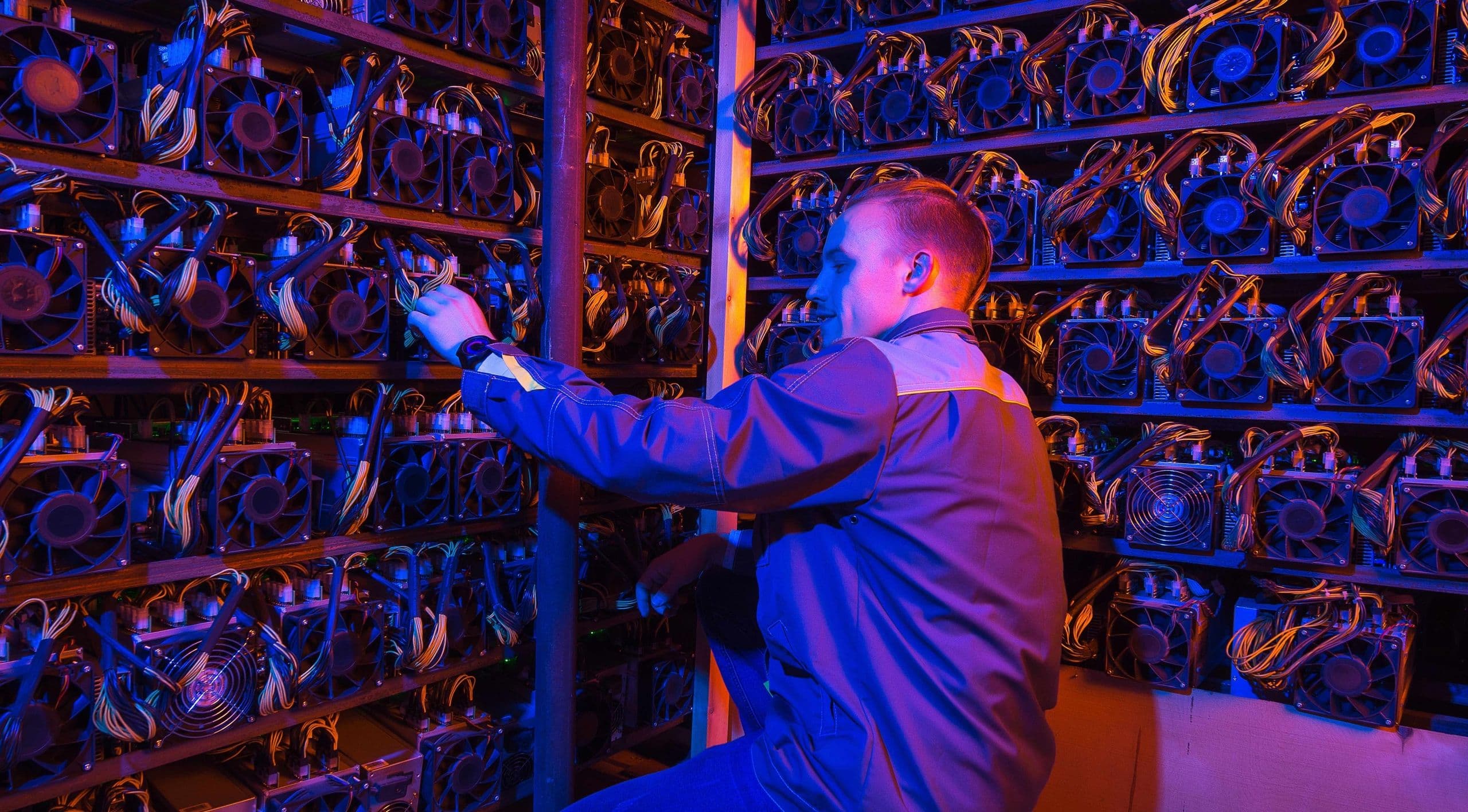 Image source: CoinDesk
For the first time since 2020, the computing power that secures Bitcoin has started falling instead of growing. This surprising shift shows how the crypto mining industry is changing dramatically.
What's happening? Bitcoin's "hashrate" (the total computing power used to mine new bitcoins and secure the network) has dropped about 4% this year. This breaks a pattern of strong growth that lasted for five straight years, where the hashrate typically increased by more than 10% annually.
Why are miners leaving? The math no longer works for many Bitcoin miners: • It costs about $90,000 to mine one bitcoin • Bitcoin's current price is only $67,000 • This means miners lose $23,000 on every bitcoin they produce
The AI gold rush: Instead of mining Bitcoin at a loss, many mining companies are converting their facilities to run artificial intelligence (AI) systems. These AI operations are more profitable and provide steadier income than the volatile crypto mining business.
What this means: While this might sound alarming, it could actually make Bitcoin's network healthier. As large U.S. mining companies pivot to AI, Bitcoin mining may become more spread out globally among smaller operators. This "decentralization" (spreading control among many participants instead of a few big players) is considered good for Bitcoin's long-term security and independence.
The shift marks a turning point for an industry that has grown explosively since Bitcoin's creation, showing how even crypto veterans are adapting to find better opportunities in the booming AI sector.
This is an AI-generated summary. Read the original article at: https://www.coindesk.com/markets/2026/03/30/bitcoin-hashrate-posts-first-quarter-drop-for-first-time-in-6-years-as-miners-pivot-to-ai