Banks vs White House: Fight Over Stablecoin Rewards Heats Up
Banks say stablecoin rewards threaten their business, but White House economists disagree in ongoing policy battle.
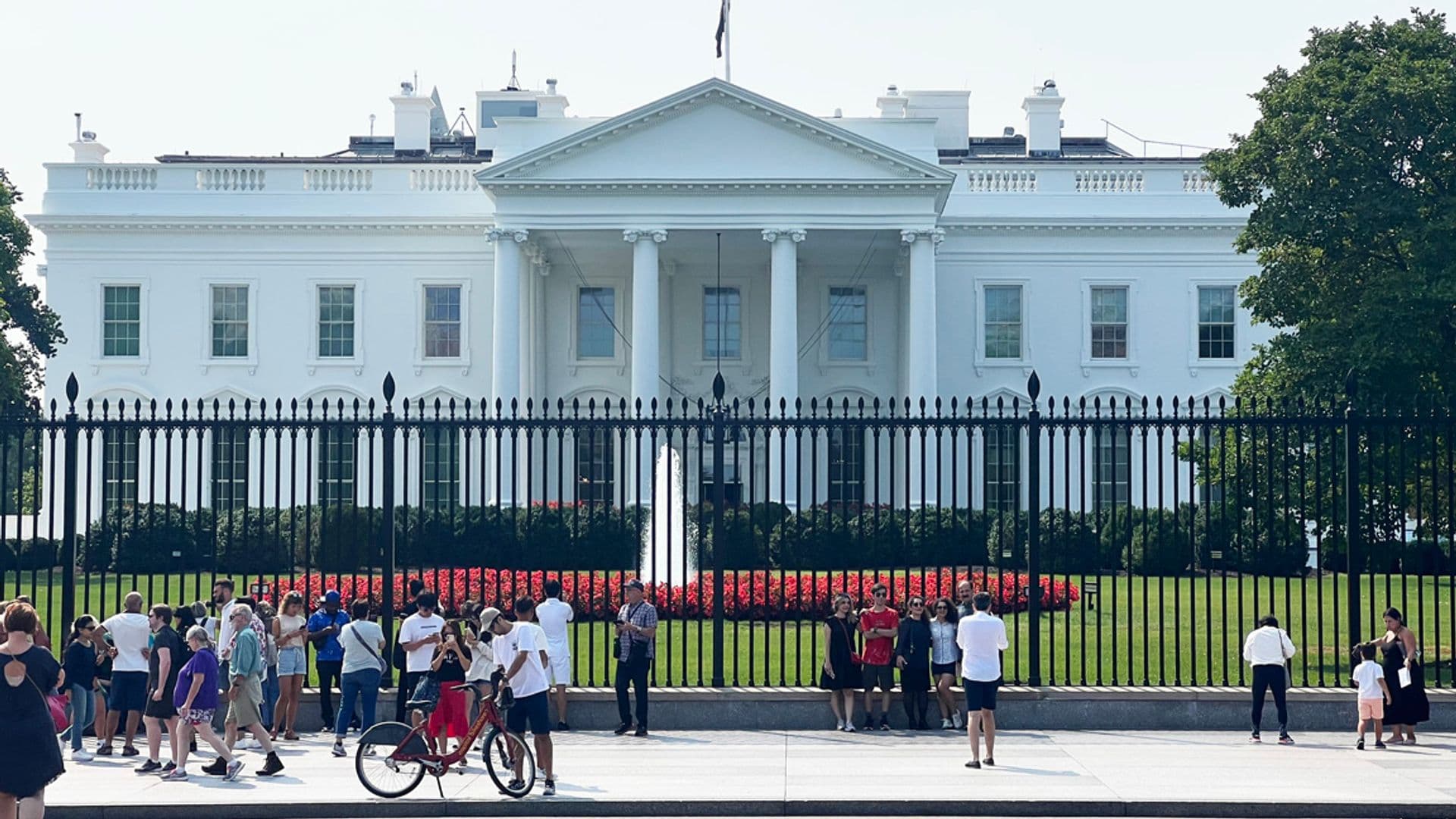 Image source: CoinDesk
A major disagreement between banks and the White House is blocking important crypto legislation in the United States.
The fight centers on whether stablecoins (digital dollars backed by real money) should be allowed to pay rewards to holders. Banks worry this could hurt their business, while the White House says there's nothing to fear.
Here's what's happening:
• Banks are worried: The American Bankers Association says if stablecoins can pay interest (rewards for holding them), people might move their money out of traditional bank accounts • White House disagrees: Government economists recently published a study saying banks have "little to fear" from stablecoins • Banks fire back: Now bankers claim the White House studied the wrong scenario and missed the real risks
The dispute is blocking progress on the Digital Asset Market Clarity Act - a major law that would regulate crypto markets in the US. The specific sticking point is whether stablecoin companies should be allowed to share profits with users who hold their coins.
Why this matters: Banks fear that if stablecoins can offer better returns than savings accounts, customers might abandon traditional banking. This could affect banks' ability to make loans, which is how they help grow the economy.
The American Bankers Association wants Congress to ban stablecoin rewards entirely, calling it a "prudent safeguard." They argue stablecoins should only be used for payments, not as a replacement for bank deposits (money in your bank account).
Until this disagreement is resolved, important crypto regulations remain stuck in Congress.
This is an AI-generated summary. Read the original article at: https://www.coindesk.com/policy/2026/04/13/bankers-rebuff-white-house-claim-that-stablecoin-yield-doesn-t-threaten-deposits