Aave Survived $8.45B Crypto Bank Run — But Risks Linger
Crypto lender Aave faced $8.45B in withdrawals after a bridge hack. It avoided collapse, but experts say deeper risks remain.
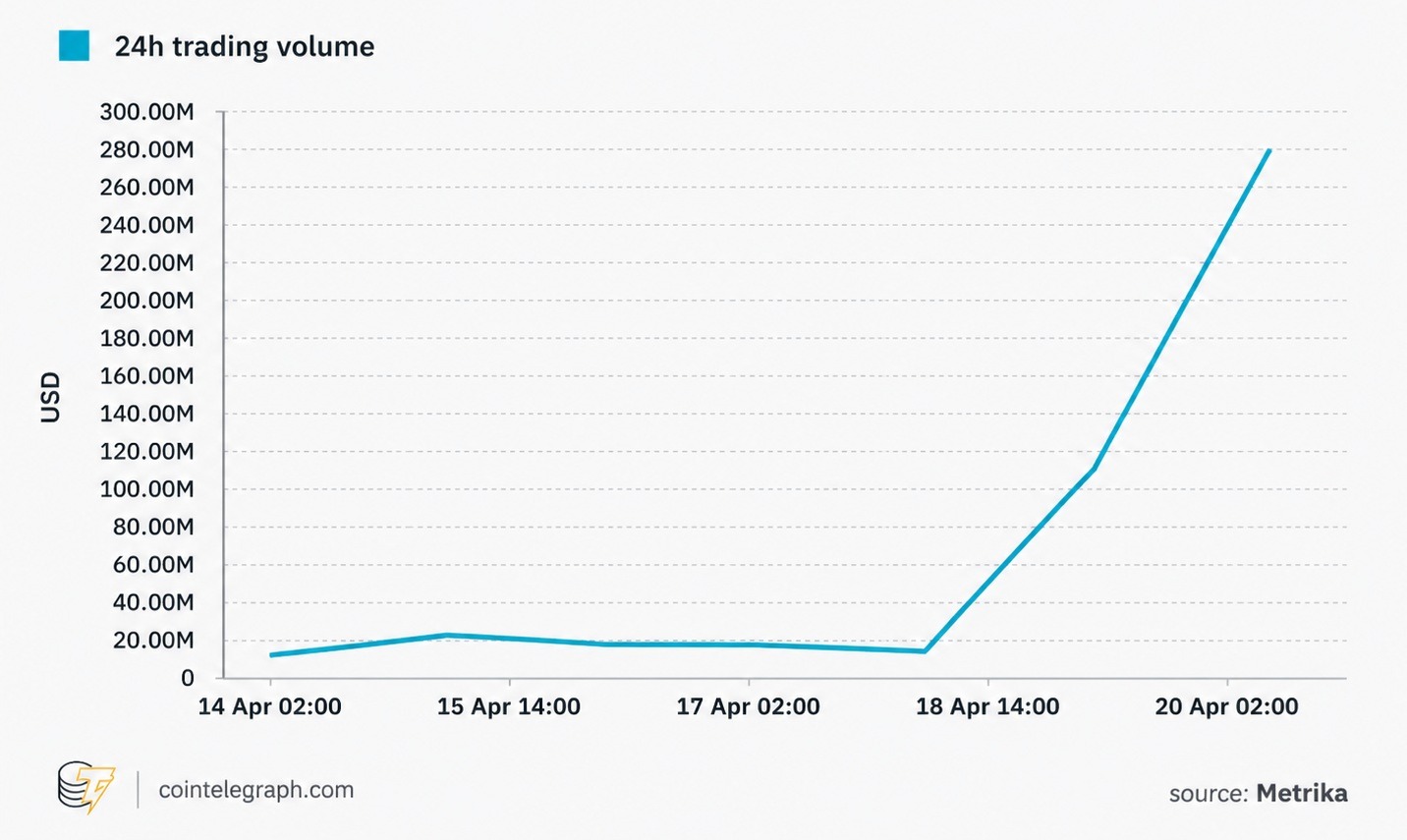 Image source: CoinTelegraph
## A digital bank run that almost broke a crypto giant
Imagine everyone rushing to take their money out of a bank at once. That's called a bank run. In April 2026, something similar happened to Aave — one of the biggest lending platforms in DeFi (decentralized finance, which means financial services like lending and borrowing that run on computer code instead of through banks).
In just two days, users pulled out about $8.45 billion. Aave survived, but the event revealed weaknesses that have experts worried.
### What caused the panic?
The trouble didn't start with Aave itself. It began with a hack on KelpDAO, which used a bridge (a tool that moves crypto tokens between different blockchains). Here's what happened:
- Hackers stole about $292 million worth of a token called rsETH.
- This made people fear that rsETH might not be fully backed by real value.
- rsETH was used as collateral (assets you pledge as a guarantee when borrowing) on Aave.
- Worried users rushed to withdraw their funds before things got worse.
Aave's own code was never hacked — it kept working as designed. But the panic spread through connected markets. As money flooded out, some markets ran low on available cash, making it hard for users to withdraw quickly. Aave's team had to use emergency controls (like temporary freezes) to stop the damage.
Founder Stani Kulechov said this proved DeFi has matured and that the system "held firm." Supporters point out that in DeFi, everything is public and visible — anyone can check the rules and the collateral in real time, unlike secretive traditional banks.
### But critics aren't convinced
Independent analysts warn that surviving isn't the same as being safe. Key concerns include:
- Emergency freezes were still needed — proving transparency alone isn't enough.
- Bank runs in DeFi happen in hours, not days, because blockchains never close.
- Large risk is still concentrated across DeFi platforms.
This is an AI-generated summary. Read the original article at: https://cointelegraph.com/learn/aave-defi-bank-run-lending-risk?utm_source=rss&utm_medium=rss&utm_campaign=rss